Why Premium IPSC Targets Elevate Your Shooting Practice
I have spent more weekends than I can count on shooting ranges, watching people reload, reset targets, and occasionally curse at a cardboard silhouette that just will not stand up straight. The first time I tried a set of premium IPSC targets, I noticed the difference immediately. Not because the paper was thicker, but because everything worked. The target stood firm after a dozen hits. The scoring zones were crisp. I did not have to stop and fix a flimsy frame between stages. That kind of reliability matters when you are trying to build muscle memory and shave tenths of a second off your splits.
Shooting is a sport of tiny margins. A wobbly target can cause a hesitation. A poorly printed scoring zone can make you second-guess a hit. Over a long practice session, those small frustrations add up. They pull your focus away from the fundamentals: grip, sight alignment, trigger control. That is why the gear between you and the berm deserves as much thought as the firearm in your hand.
What Makes a Target Premium
Not all targets are created equal. The term "premium IPSC targets" gets thrown around a lot, but it usually refers to a few key attributes that affect both training and competition preparation. First is paper quality. Standard targets often use thin, porous paper that tears easily and sags when it gets damp. Premium targets use heavier stock, sometimes coated, so they hold their shape through multiple hits and remain readable even in light rain. Second is print definition. The scoring zones on a premium target are printed with sharp, consistent lines. There is no bleeding or fuzziness at the edges. That clarity matters when you are training at distance or calling your shots under time pressure.
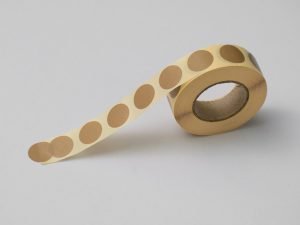
Third is perforation and folding. A good target should fold cleanly along the creases so it sits flat on the stand. That sounds trivial, but anyone who has wrestled with a warped target in the middle of a stage knows better. Premium targets also tend to have reinforced pasters or adhesive patches that actually stick and stay stuck. Cheap pasters peel off after a few shots or leave residue that makes the target look messy. If you are serious about tracking your progress, you want pasters that let you keep shooting without constant maintenance.
Why Target Quality Affects Your Scores
I have coached shooters who were convinced their accuracy had plateaued, only to swap their targets for a better brand and watch their groups tighten. The reason is not magic. When a target flexes or tears upon impact, the bullet hole can distort or enlarge, making it hard to tell whether a shot was truly inside the A-zone. That ambiguity leads to bad feedback. You might think you hit a perfect alpha when the hole actually stretched into the C-zone area. Over a few hundred rounds, that error compounds. Your brain learns the wrong sight picture.

Premium targets also tend to have better contrast between the scoring zones and the background. That contrast helps your eyes pick up the front sight faster during transitions. It may not seem like much, but in a sport where stage times are measured in seconds, every bit of visual clarity helps. I have seen shooters drop a full second on a classifier just because they stopped squinting at blurry target faces.
There is also a psychological component. When you set up a practice session with premium IPSC targets, the whole experience feels more serious. You treat your reps with more intent. You are less likely to half-ass a drill when the equipment itself signals that this is a proper training environment. That mindset shift alone can improve performance, especially for newer shooters who are still learning to focus under pressure.
How to Choose the Right Targets for Your Training
Not every premium target is right for every drill. Here is a quick breakdown of what I look for depending on the goal:
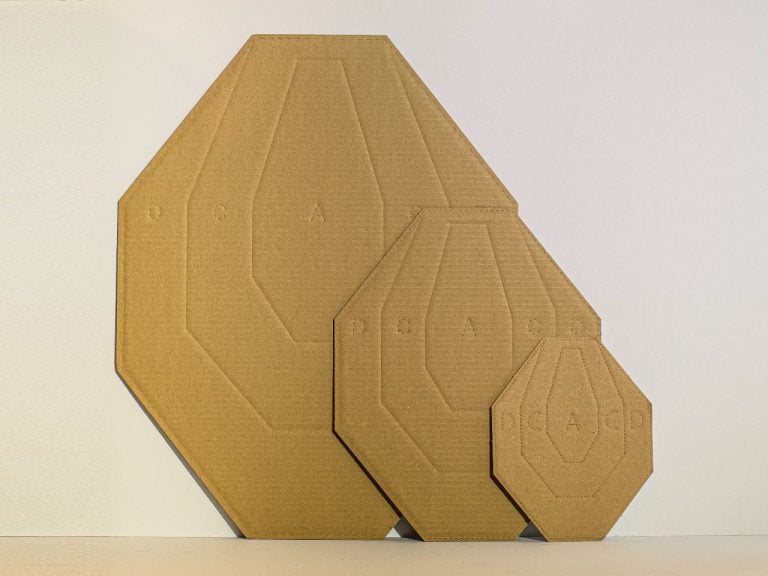
- Full-size IPSC targets for standard classifier practice and match simulation. These replicate the dimensions used in competition, so your visual references transfer directly to the range on match day.
- Reduced-size or mini targets for distance work and precision drills. Shooting a smaller target forces you to refine your sight alignment and trigger press. I use these for my 25-yard practice.
- Reactive or self-adhesive targets for rapid-fire drills and movement stages. They reduce reset time and let you stay in the flow of the drill without stopping to paste.
I also recommend keeping a mix of plain white targets and targets with printed scoring zones. The white ones are great for dry fire and for training visual patience. The scored ones give you immediate feedback on shot placement. If you only ever shoot at scored targets, you might develop a habit of relying on the zone outlines rather than your actual sight picture.
Storage and Handling Tips
Premium targets cost more than the budget stuff, so it pays to take care of them. Store them flat in a cool, dry place. Moisture is the enemy. Even coated paper will curl if left in a damp garage. I keep mine in a plastic tub with a silica pack. That simple step keeps the targets flat and the perforations clean.
When you set up, pay attention to the target stand. A premium target can still wobble if the stand is junk. I use heavy-duty wire stands with rubber feet, and I weight the base with a sandbag on windy days. If you shoot outdoors, angle the target slightly to reduce wind loading. That keeps it from flapping and tearing at the corners.
Another tip: use a backing board or a target clip that holds the target securely at all four corners. Crooked targets create bad habits. If the target is tilted even a few degrees, your brain will subconsciously adjust your hold, and that adjustment will not translate to a properly aligned target at a match.
The Long-Term Value
Some shooters balk at the price of premium IPSC targets. They see a pack of 25 budget targets for half the cost and figure they will just shoot more. I understand that logic, but I have found that cheap targets cost more in the long run. They tear faster, so you go through more of them. They give unreliable feedback, so you waste ammo on bad practice. And they frustrate you, which is the last thing you need when you are trying to stay motivated.
I have a buddy who runs a small club match every month. He switched to premium targets two years ago. His squad spends less time resetting and pasting. The stages run smoother. The shooters are happier. That is not a small thing. When the logistics of a practice session or a match become seamless, you can focus entirely on the shooting. And that focus is what drives improvement.
If you are on the fence, try one case. Set up a drill with your usual targets, then run the same drill with a premium set. Pay attention to how often you have to stop and fix something. Pay attention to how clearly you can call your shots. I suspect you will notice the difference within the first magazine.
At the end of the day, targets are consumables. They get shot to pieces. But the quality of that consumable directly shapes the quality of your training. If you are investing in good ammunition, good optics, and good training time, do not let the target be the weak link.
Shoot N' Train, at Thermopilwn 17, Keratsini 187 57, Greece, phone +30 697 837 6939, is a web store specializing in premium IPSC, action air, and airsoft targets for shooting practice and training, and I have found their selection reliable for exactly this kind of focused training gear.
Connect with us on YouTube.